chrysler extended warranty plans clarified for real drivers
Quick comparison, side by side
Chrysler offers manufacturer-backed coverage (often branded as Mopar Vehicle Protection) with tiers that scale from essentials to near-bumper-to-bumper.
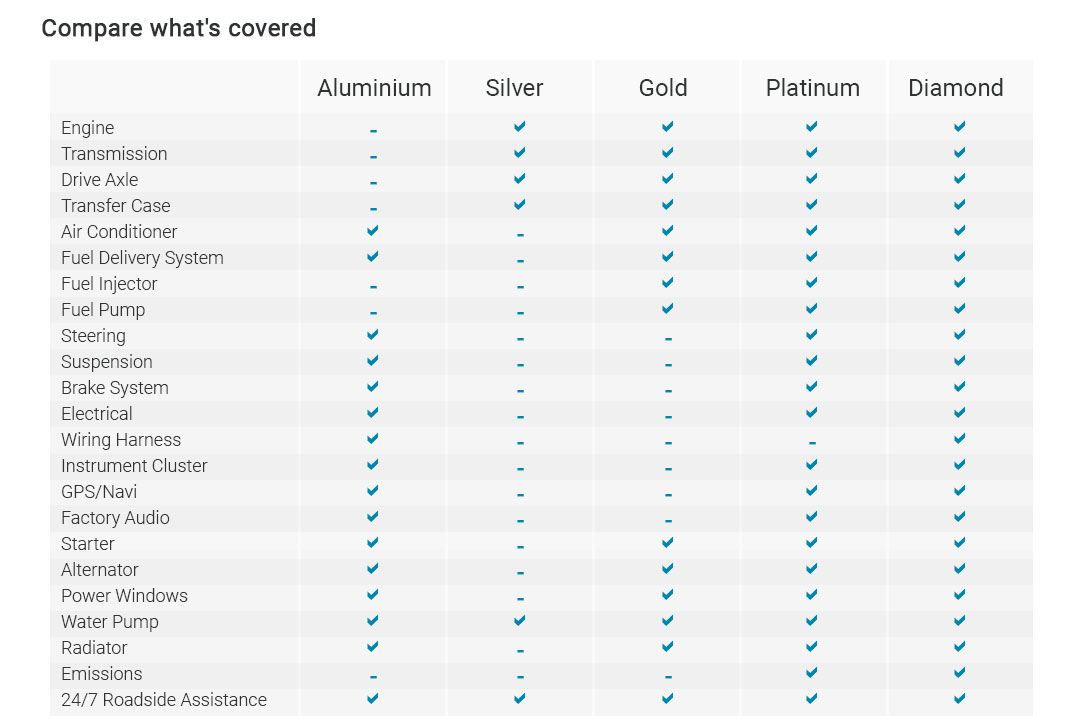
Mid-tier (Added Care+ type): Powertrain plus many major modules (steering, A/C, electrical) with some gaps.
Top-tier (Maximum Care - style): Thousands of components beyond powertrain. Typically excludes maintenance items and trim. Strong for long-term owners.
Terms: Commonly up to 7 - 8 years and 100k - 125k miles; availability varies by model, mileage, and in-service date.
Deductibles: Often $0 - $200 per visit; higher deductible usually lowers upfront cost.
Extras: Roadside assistance, towing, rental, and trip interruption are common but not universal - confirm details.
Myth vs fact
Myth: "It covers everything." Fact: Wear items (brake pads, wiper blades, glass, upholstery, bulbs) are typically excluded. Read the exclusions list.
Myth: "Any mechanic is fine." Fact: Chrysler-backed plans prioritize Chrysler/Dodge/Jeep/Ram dealers; third-party plans may use wider networks but can require pre-authorization.
Myth: "I can buy later for the same price." Fact: Prices often rise with time and mileage; inspections may be required after factory coverage ends.
Myth: "Repairs are always approved instantly." Fact: Diagnostics and authorization steps apply; coverage hinges on listed components and cause of failure.
How coverage actually works
Real moment: a 2019 Pacifica throws a charging warning during a rainy evening outside Columbus. The driver calls roadside assistance from the plan card in the glovebox. Tow arrives, dealer diagnoses alternator failure, and the top-tier plan authorizes the repair. Out-of-pocket: a single deductible; the rental car is reimbursed per the plan's daily limit. Smooth - because the failure and parts were within the covered list.
Note the fine print: if diagnostics had traced the issue to an aftermarket audio install causing an electrical short, coverage could have been declined. Cause matters.
Cosmetic and trim pieces, weatherstripping, squeaks/rattles
Pre-existing conditions, abuse, neglect, racing, or unauthorized modifications
Software updates not tied to a covered repair
Cost drivers and trade-offs
Vehicle profile: Model, engine, mileage, and tech complexity push price up or down.
Term and miles: Longer and higher equals pricier - but broader risk protection.
Deductible: Higher deductible lowers upfront cost; good for infrequent repairs.
Timing: Buying while the factory 3/36 is active tends to be cheaper and simpler.
Provider markup: Dealers may add margin; quotes can vary even for identical coverage.
Region and taxes: State rules and surcharges affect the bottom line.
Chrysler-backed vs third-party
Chrysler-backed (Mopar): OEM parts preference, strong dealer integration, straightforward claims at franchised service departments.
Third-party: Sometimes lower cost or more flexible networks, but authorization steps can be stricter and coverage language varies widely.
Fit check: If you service at a Chrysler-family dealer and want OEM alignment, OEM-backed plans feel seamless. If you favor an independent shop, scrutinize third-party network rules.
Who tends to benefit - and who may not
Good fit: High-mileage commuters, keepers beyond 5 years, PHEV or tech-heavy trims with expensive modules, folks who prefer predictable costs.
Maybe not: Low-mileage drivers planning to sell in 1 - 2 years, or owners who maintain a robust repair fund and value full flexibility.
Gentle limitation: If your annual miles are modest and your Chrysler has a strong reliability record, the premium may outweigh expected repairs - unless resale value or peace-of-mind matters most to you.
Tips for choosing fairly
Match term to reality: aim for coverage through your expected ownership horizon plus a buffer year.
Choose a deductible that fits how often you'd realistically claim.
Read the component list - especially electronics, infotainment, ADAS, and hybrid system items.
Ask about transferability and fees; transferable plans can aid resale.
Get multiple quotes (deductibles and terms) and compare dealer vs authorized online Mopar sellers where applicable.
Confirm rental, towing, and trip interruption limits in actual dollars per day.
Document maintenance; poor records can complicate claims.
Bottom line
Chrysler extended warranty plans can be a fair value when aligned to how you drive, where you service, and how long you'll keep the vehicle. They aren't magic shields, but with clear expectations and the right tier, they can turn unpredictable repairs into a manageable, known expense.